
Article
Quick Answer: A hidden water leak can run undetected for weeks or even months, especially underground or behind walls, since the water isn’t visible and symptoms like a rising water bill often build slowly enough to go unnoticed at first.
Why Leaks Stay Hidden for So Long
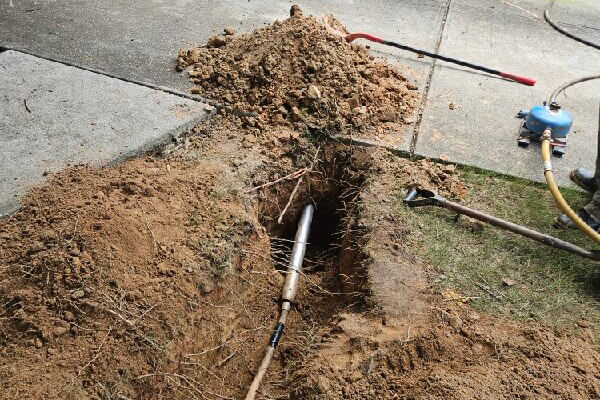
Most plumbing runs behind walls, under flooring, beneath a concrete slab, or underground between the meter and the building. None of that is something you look at day to day, so a slow leak in any of those locations can persist long before it produces a symptom you’d actually notice — a change in your bill, a damp patch, a sound.
It's Rarely a Sudden Event
A burst pipe is obvious immediately. Most leaks aren’t that — they’re a small crack, a worn joint, or a pinhole that starts slow and gradually worsens. That gradual pattern is exactly why leaks are so often described after the fact as having “been going on for a while.”
What Determines How Long a Leak Goes Unnoticed
- Location. An underground or slab leak is inherently harder to notice than a leak near a visible fixture.
- Size. A larger leak produces symptoms — bill increases, pooling, sound — faster than a slow, small one.
- How closely you track your water bill. Regular attention to your bill is one of the fastest ways to catch a leak early; see our guide to high water bills and leaks.
- Whether you know the warning signs. Knowing what to look for shortens the time between “leak starts” and “leak found.”
Why Catching It Sooner Matters
The longer a leak runs, the more water is lost and the more time moisture has to affect the surrounding structure. Catching a leak early — through regular attention to your bill and a prompt inspection when something looks off — is simply less costly than letting it run.
If You Suspect One Now
Don’t wait for more symptoms to confirm it. A non-invasive diagnostic inspection can determine whether a leak is present and roughly where it is, without opening anything up first. Call (470) 454-5051 to get started.
FAQ
Can a leak really go unnoticed for months?
Yes, particularly underground or slab leaks, where there’s no visible sign of water and symptoms like a bill increase can build up slowly.
What's the fastest way to catch a leak early?
Keeping an eye on your water bill month to month and knowing the common warning signs are the two most effective ways to catch a leak before it’s been running for a long time.
Is an older leak harder to find than a new one?
Not necessarily harder to find, but the surrounding effects (increased water loss, potential property impact) are naturally greater the longer it’s gone unaddressed, which is why earlier detection is preferable.